
A Site Consultation/Basic feasibility study.
After your initial contact we may arrange a site consultation. This may involve a representative of the drilling team and our survey team visiting site to establish the viability of the project and to understand the site conditions. From our site visit an initial idea of whether the water bearing aquifer will yield the quantity of water required will be established. Our visiting engineer will be happy to explain all the options to ensure that you get the correct system for your needs.
Siting Of The Borehole
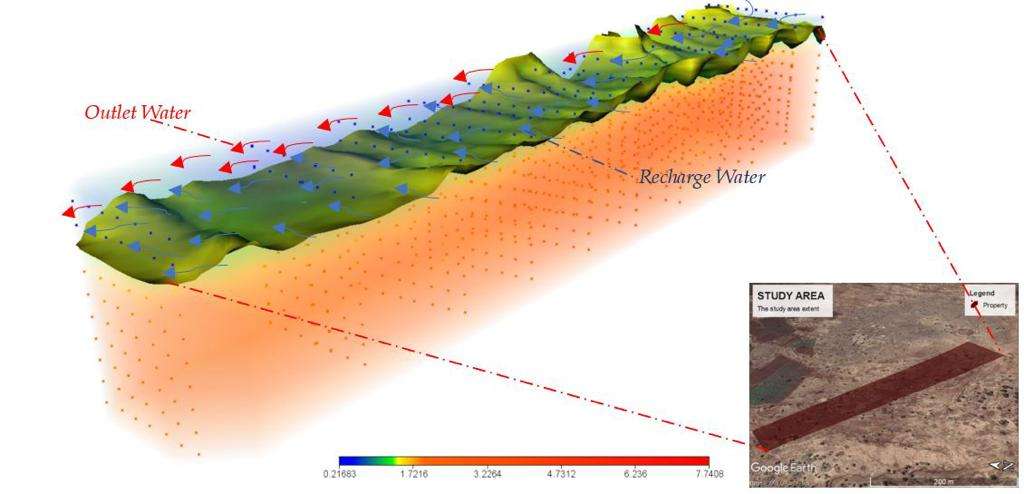
The first decision is to determine where to drill. There are numerous ways in which we can go about deciding where to place the borehole on your property. We turn to hydro-geologists who make use of various geographical methods to probe beneath the surface. By employing these geophysical methods, hydro geologists are able to infer the subsurface geology of an area.

Acquiring the Statutory Documents/Drilling authorizations
After the siting has been done, the hydro geologist will need to do a report of the findings and have it submitted to the Water Resource Management Authority who will in turn evaluate it and give written authority to construct the borehole, without which, a borehole cannot be drilled.
An Environmentalist also needs to be contracted to carry out an E.I.A (Environmental Impact Assessment) of the project. This will facilitate the issuance of the NEMA license which is also a prerequisite in drilling.
Once the WRMA Groundwater Authorization and NEMA license is received (after some 4-8 weeks), then borehole drilling is permitted and can duly commence. The authorization is valid for one year and can be readily renewed twice but not for a fourth year when the hydro-geological report will need review, qualification and re-issue, before further re-application for Groundwater Authorization.


