
Borehole drilling in Kenya has become a critical solution to the ongoing water scarcity issues in various regions of the country. As communities and industries seek reliable sources of clean water, understanding the prices associated with drilling boreholes is essential. This article aims to shed light on the factors influencing borehole drilling costs in Kenya.
Geological Location:
The geological composition of the drilling site plays a significant role in determining the cost of borehole drilling. In Kenya, the country’s diverse geology includes varying rock types and formations. Generally, drilling through hard rock is more expensive than drilling through softer soil. Therefore, the location and geological survey are crucial for estimating drilling costs.

Borehole Depth:
The depth of the borehole is a primary cost factor. Deeper boreholes require more drilling time, materials, and labor, which naturally increases the overall cost. The depth is often determined by the water needs of the community or the specific requirements of an industrial or agricultural project.
Also, read Hand Pumps
Drilling Method:
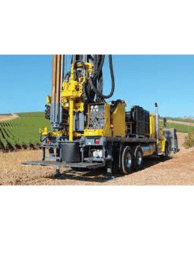
Different drilling methods are employed in Kenya, such as rotary drilling and percussion drilling. The choice of method depends on the geological conditions at the site. Rotary drilling is typically used for softer soil, while percussion drilling is employed for harder rock. The method selected can impact the cost due to variations in equipment and labor requirements.
Casing and Well Development:
Proper casing and well development are crucial for maintaining the integrity of the borehole and ensuring water quality. The cost of materials, such as casing pipes and screens, as well as the labor for installation, is factored into the total cost.
Licensing and Regulatory Fees:
Borehole drilling in Kenya is subject to various regulatory requirements and permits. These fees can vary by region and may add to the overall cost. It’s essential to comply with all regulations to avoid legal issues and to ensure the sustainability of the borehole.
Transportation and Accessibility:
The ease of access to the drilling site can influence costs. Remote or hard-to-reach locations may require more logistical planning and equipment, leading to increased expenses.
Water Quality Testing:
After drilling, water quality testing is essential to ensure the water is safe for consumption and other uses. This testing is an additional cost but is crucial for the health and safety of those relying on the borehole.
Service and Maintenance:
The long-term costs of borehole ownership include regular maintenance and servicing to keep the borehole in good working condition. Budgeting for these ongoing expenses is crucial for borehole sustainability.
Also, read Solar Pumps
Contractor Expertise:
The expertise of the borehole drilling contractor can affect the cost. Reputable and experienced drilling companies may charge higher fees but often provide more reliable and efficient services, reducing the risk of unexpected costs due to errors or inefficiencies.
Market Competition:
The level of competition among drilling companies in a specific region can also impact pricing. In areas with multiple drilling companies, prices may be more competitive, potentially benefiting consumers.
In conclusion, price. It’s essential to conduct a thorough site assessment, seek quotes from reputable drilling companies, and carefully plan for all associated costs, including ongoing maintenance. While the initial investment in borehole drilling can be significant, the long-term benefits of reliable access to clean water often outweigh the costs, especially in regions facing water scarcity challenges.


