

Hydrogeological surveys are vital for understanding the distribution and movement of groundwater, playing a crucial role in resource exploration. This article explores the advanced technology of PQWT (Proton Quality Wave Technology) for conducting efficient hydrogeological surveys.
I. Introduction
Hydrogeological surveys provide invaluable insights into groundwater resources, aiding in sustainable water management. As we delve into the world of PQWT, we uncover a revolutionary approach to conducting surveys with precision and speed.
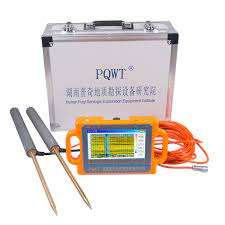
II. Understanding PQWT Technology
PQWT is a cutting-edge technology that utilizes Proton Quality Wave pulses to measure and analyze subsurface water conditions. This section explores the science behind PQWT and highlights the advantages it offers over traditional survey methods.
III. Preparing for a PQWT Hydrogeological Survey
Before embarking on a PQWT survey, it’s essential to gather the right tools and select suitable sites. This section guides readers through the necessary preparations, ensuring a smooth and effective survey process.
IV. Conducting a PQWT Hydrogeological Survey
Step-by-step instructions detail the process of conducting a PQWT survey. From data collection to interpretation, readers gain insights into the systematic approach required for accurate results.
V. Analyzing Results
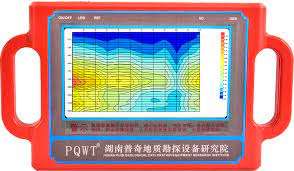
Interpreting PQWT data is a critical aspect of the survey process. This section explains how to analyze results effectively, enabling professionals to identify potential water sources with confidence.
VI. Common Challenges and Solutions
Even with advanced technology, challenges can arise during surveys. This section addresses common issues and provides solutions, ensuring a seamless survey experience.
VII. Case Studies
Real-world examples showcase the success stories of hydrogeological surveys conducted using PQWT. These case studies offer practical insights into the technology’s effectiveness in diverse environments.
Watch the Video on PQWT Operations
VIII. PQWT vs. Traditional Methods
Comparing PQWT with conventional survey methods helps readers understand the advantages and limitations of each approach. This section aids professionals in making informed choices for their survey projects.
IX. Best Practices for Efficient Surveys
Optimizing PQWT surveys requires adherence to best practices. This section offers tips for maximizing accuracy and reliability and enhancing the overall efficiency of hydrogeological surveys.
X. Future Trends in Hydrogeological Surveys
Exploring emerging technologies and innovations in hydrogeological surveys provides a glimpse into the future. Professionals can stay ahead by understanding potential advancements in PQWT technology.
XI. Environmental Considerations
Sustainable practices are crucial in today’s world. This section emphasizes environmentally friendly survey practices, minimizing the impact on ecosystems during hydrogeological surveys.
XII. Regulatory Compliance
Adhering to local regulations and guidelines ensures ethical and legal survey practices. This section provides insights into the importance of compliance and the potential consequences of neglecting regulatory standards.
XIII. Training and Skill Development
Proper training is essential for successfully conducting PQWT surveys. Resources for skill enhancement are discussed, empowering professionals to stay proficient in this evolving field.
XIV. Cost-Benefit Analysis
Evaluating the economic feasibility of PQWT surveys is paramount. This section guides readers through a comprehensive cost-benefit analysis, aiding in decision-making for survey projects.
XV. Conclusion
In conclusion, embracing PQWT technology for hydrogeological surveys offers unparalleled benefits. This article encourages professionals to adopt this advanced approach for accurate, efficient, and environmentally conscious surveying.
Related articles:
Frequently Asked Questions
- Is PQWT technology suitable for all types of geological formations?
- PQWT technology is versatile and can be applied to various geological formations, but its effectiveness may vary. It’s essential to assess specific project requirements before choosing this technology.
- What kind of training is necessary for using PQWT for hydrogeological surveys?
- Proper training in geophysics, data interpretation, and equipment operation is crucial for conducting PQWT surveys. Training programs are available to enhance these skills.
- How does PQWT technology contribute to environmental sustainability in surveys?
- PQWT technology minimizes environmental impact by offering non-invasive survey methods, reducing the need for extensive drilling and excavation.
- Can PQWT surveys be conducted in urban areas with existing infrastructure?
- Yes, PQWT surveys can be adapted for urban areas. However, careful planning is required to navigate existing infrastructure and ensure accurate results.
- What advancements can we expect in PQWT technology in the coming years?
- Future advancements in PQWT technology may include enhanced data resolution, improved portability of equipment, and increased automation for more efficient surveys.


