
In the realm of geotechnical engineering, where the understanding of Earth’s composition is paramount, coring emerges as a crucial technique. We aim to unravel the significance of coring, detailing its tools and techniques, applications, challenges, technological advancements, case studies, best practices, and future trends.
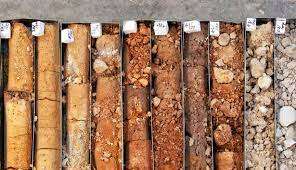
Coring, in geotechnical engineering, is the art of extracting cylindrical samples from the Earth’s subsurface layers. This process becomes the lens through which engineers gain profound insights into the geological makeup that, in turn, influences critical decisions in construction and infrastructure projects.
The Significance Unveiled
Definition of Coring in Geotechnical Engineering
At its core, pun intended, coring involves extracting cylindrical samples from subsurface layers, offering a unique glimpse into the Earth’s composition.
Importance in Site Investigation
Coring stands as a linchpin in site investigation, furnishing engineers with indispensable data to assess the stability and feasibility of construction projects.
Tools and Techniques

- Core Drilling Equipment – Precision is the key, and state-of-the-art core drilling equipment ensures accurate extraction of samples from varying depths.
- Sampling Techniques – Meticulous sampling techniques guarantee the representativity of extracted cores, factoring in depth and geological variations.
- Factors Influencing Coring Results – Various elements, including soil type, moisture content, and drilling speed, wield significant influence over the accuracy of coring results.
Applications of Coring
- Geotechnical Site Characterization – Coring serves as the architect’s sketch, enabling comprehensive site characterization and understanding of soil layers and rock formations for effective project planning.
- Determining Soil Properties – Beyond mere dirt, analyzing core samples unravels crucial soil properties such as density, porosity, and shear strength.
- Assessing Rock Formations – In the intricate dance of construction, coring plays a pivotal role in studying rock formations, spotlighting potential challenges.
Challenges in Coring
- Depth Limitations – Yet, coring faces limitations in plumbing the Earth’s depths, impacting its ability to gather data from the deeper, less-charted territories.
- Environmental Considerations – The dance with nature is not without hurdles; water tables and sensitive ecosystems pose challenges in conducting coring operations.
- Accuracy and Reliability Issues – In this pursuit of knowledge, ensuring the accuracy and reliability of core samples remains an ever-present challenge, demanding stringent quality control measures.
Advancements in Coring Technology
- Remote Sensing Applications – The marriage of coring with remote sensing technologies elevates its efficiency and accuracy, expanding the horizons of exploration.
- Real-Time Data Acquisition – The relentless march of technology brings forth real-time data acquisition, revolutionizing the way engineers interact with the depths of the Earth.
Best Practices in Coring
- Pre-Coring Site Assessment – Before the drill bites into the Earth, a thorough assessment sets the stage, ensuring the success of subsequent coring operations.
- Quality Control Measures – Vigilance in quality control becomes the guardian of reliability, safeguarding the integrity of the core samples.
- Safety Protocols – In the dance with Earth’s depths, safety is paramount; established protocols ensure the well-being of those orchestrating the coring operations.
Future Trends
- Emerging Technologies – The crystal ball reveals emerging technologies poised to reshape coring, propelling the field into new dimensions.
- Sustainable Practices – As custodians of Earth, engineers explore sustainable coring practices, minimizing the ecological footprint of their endeavors.
- Integration with AI – The collaboration between coring and artificial intelligence heralds a future where machines augment human understanding of Earth’s depths.
In the grand narrative of geotechnical engineering, coring emerges as a protagonist, unraveling the mysteries beneath our feet. As we reflect on its past, navigate its present challenges, and anticipate its future, coring stands as a testament to human curiosity and innovation, continuously reshaping our relationship with the Earth.
Also, read What is Geotechnical Engineering?


