
What is Blue Economy.
The blue economy refers to the sustainable use and management of ocean resources for economic growth, improved livelihoods, and the preservation of the marine environment. The concept has gained significant attention in recent years due to the challenges faced by coastal communities and the impact of climate change on ocean ecosystems. In this article, we will explore the principles of the blue economy and the opportunities and challenges it presents. 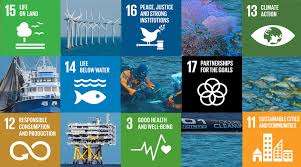
Principles of the Blue Economy
The blue economy is based on several guiding principles that prioritize sustainability and responsible use of ocean resources. These principles include:
- Sustainable use of ocean resources: The blue economy recognizes that ocean resources are finite and must be managed sustainably to ensure their long-term viability.
- Integration of economic, social, and environmental factors: The blue economy takes a holistic approach to ocean resource management, considering the economic, social, and environmental impacts of activities.
- Innovation and technological advancement: The blue economy encourages the development of new technologies and innovative solutions to improve ocean resource management and promote sustainable economic growth.
- Collaboration and partnerships: The blue economy emphasizes the importance of collaboration and partnerships between governments, businesses, civil society organizations, and local communities to promote sustainable ocean resource management.
Opportunities and Challenges of the Blue Economy
The blue economy presents significant opportunities for economic growth and sustainable development. Some of these opportunities include:
- Fisheries and aquaculture: The ocean is a valuable source of fish and seafood, providing food and income for millions of people around the world. Sustainable fisheries and aquaculture practices can promote economic growth and improve food security while preserving the health of marine ecosystems.
- Renewable energy: The ocean offers significant potential for renewable energy generation, including offshore wind, tidal, and wave energy. These sources of energy can reduce reliance on fossil fuels and promote the transition to a low-carbon economy.
- Coastal tourism: The ocean is a popular destination for tourists, providing opportunities for economic growth and job creation in coastal communities. Sustainable tourism practices can promote the preservation of marine ecosystems while providing economic benefits.
Despite these opportunities, the blue economy also presents several challenges. These challenges include:
- Overfishing and unsustainable fisheries practices: Overfishing and unsustainable fisheries practices can deplete fish stocks and damage marine ecosystems, undermining the long-term viability of fisheries and the communities that depend on them.
- Pollution and marine debris: Pollution from land-based sources and marine debris can harm marine ecosystems, endanger marine wildlife, and threaten human health.
- Climate change: Climate change is already affecting ocean ecosystems, with rising sea temperatures and ocean acidification threatening the health of coral reefs and other marine habitats.
Addressing these challenges will require concerted efforts from governments, businesses, civil society organizations, and local communities. Also, read solarization in water industry.
Conclusion
The blue economy offers significant opportunities for economic growth and sustainable development, while promoting the preservation of the marine environment. To realize these opportunities, we must adopt sustainable and responsible ocean resource management practices and address the challenges that threaten the health of ocean ecosystems. By working together, we can build a blue economy that promotes economic growth, protects the marine environment, and improves the livelihoods of coastal communities around the world.


