
Well drilling is a crucial process that goes beyond the mere act of tapping into the Earth’s aquifers. It is a fundamental necessity that plays a vital role in providing access to clean water for households and supporting various agricultural needs. In this comprehensive exploration, we will delve into the multifaceted importance of well drilling, examining its role in ensuring access to clean water and meeting agricultural demands.
Ensuring Access to Clean Water
The Lifeline for Communities
Well drilling serves as a lifeline for communities around the world, particularly in areas where municipal water sources are either scarce or unreliable. The ability to drill wells empowers communities to establish a self-sufficient and sustainable water supply, reducing dependency on external sources.
In regions facing water scarcity, well drilling becomes a beacon of hope. It provides not only an immediate solution to water needs but also a long-term strategy for maintaining a reliable water source. This aspect is particularly crucial in times of drought or when communities are located in remote areas where municipal water infrastructure is impractical.
Quality Water Supply
Well water is renowned for its high quality. Unlike some municipal water sources that may be prone to contamination or quality issues, well water is often naturally filtered through the layers of the Earth, resulting in clean and uncontaminated water. This makes it a preferred choice for those who prioritize the purity and safety of their water supply.
The absence of chemicals often used in water treatment processes contributes to the natural and refreshing taste of well water. As a result, individuals and communities that rely on well water enjoy not only a reliable source but also one that meets high-quality standards.
Also read, drilling cost.
Meeting Agricultural Needs
Irrigation Solutions
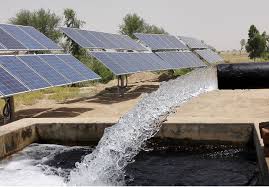
Well drilling extends its importance beyond residential use, playing a pivotal role in agriculture. One of the significant contributions is providing a consistent water source for irrigation. Agricultural lands that depend on well water can efficiently sustain crops, contributing to both food security and economic stability.
The predictability and reliability of well water make it an ideal solution for irrigation. Unlike rain-dependent agriculture, well water allows farmers to have control over the watering schedule, optimizing crop growth and yields. This level of control is particularly crucial in regions where rainfall is irregular or insufficient.
Cost-Effective Agriculture
Beyond reliability, well water offers an economic advantage to farmers. The cost-effectiveness of well water compared to expensive municipal water supplies allows farmers to manage their operational costs more efficiently.
By reducing reliance on external water sources, agricultural businesses can become more self-sustainable and financially resilient. This economic benefit not only contributes to the stability of individual farms but also to the overall health of the agricultural sector.
In conclusion, understanding the importance of well drilling goes beyond recognizing it as a process for accessing water. It is a lifeline for communities, ensuring a consistent and clean water supply for households. Simultaneously, well drilling supports agriculture, providing the necessary water for irrigation and contributing to cost-effective farming practices.
The significance of well drilling lies not only in the immediate benefits it brings but also in its potential to foster self-sufficiency, resilience, and sustainability. As we continue to navigate challenges related to water scarcity and agricultural demands, the role of well drilling remains pivotal in securing a better and more sustainable future for communities and industries alike.


