

Spread by sharing
Effects of floods in ASAL.
ASAL (Arid and Semi-Arid Land) areas are prone to flooding due to their topography, climate, and land use practices. Flooding in ASAL areas can have a range of effects on the environment, infrastructure, and human populations.
Environmental effects:
- Soil erosion: Floods can cause soil erosion by washing away topsoil and leaving behind barren land. This can lead to a decline in soil fertility and reduced productivity of agricultural land.
- Water pollution: Floodwaters can carry pollutants such as pesticides, fertilizers, and animal waste into waterways, leading to water pollution and damage to aquatic ecosystems.
- Habitat destruction: Floods can destroy natural habitats, affecting wildlife populations and biodiversity.
Infrastructure effects:
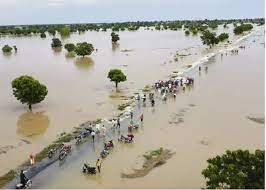
- Damage to roads and bridges: Floods can damage roads, bridges, and other infrastructure, making it difficult for people to access essential services such as healthcare and education.
- Disruption of power and communication systems: Floods can damage power and communication systems, leading to power outages and communication breakdowns.
Human population effects:
- Loss of life and injury: Flooding can cause loss of life and injury to people who are caught in the floodwaters or affected by landslides triggered by heavy rainfall.
- Displacement: Flooding can lead to displacement of people who lose their homes and livelihoods, leading to increased poverty and vulnerability.
- Health risks: Floods can increase the risk of waterborne diseases such as cholera and typhoid, as well as vector-borne diseases such as malaria and dengue fever.
In conclusion, flooding in ASAL areas can have wide-ranging effects on the environment, infrastructure, and human populations. It is important to take steps to mitigate the effects of flooding, such as improving land use practices, building infrastructure that is resilient to floods, and providing emergency assistance to those affected by floods.
Also, read solarization in water industry.
Spread by sharing


